Source Electronically Controlled Fan Clutch Assembly for Trucks, Buses, and Generators
Compare 30 listings for the electronically controlled fan clutch assembly from verified Chinese suppliers. Buyers can evaluate specifications, prices, and delivery times for HANVAN, Mercedes-Benz, and other truck models.
Key considerations
Products List


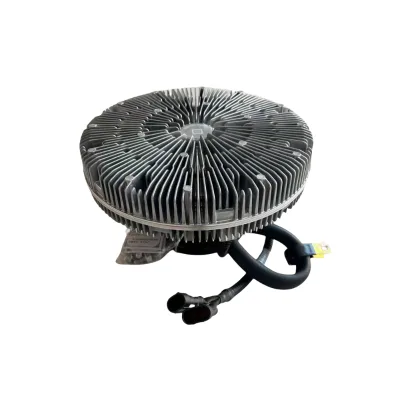
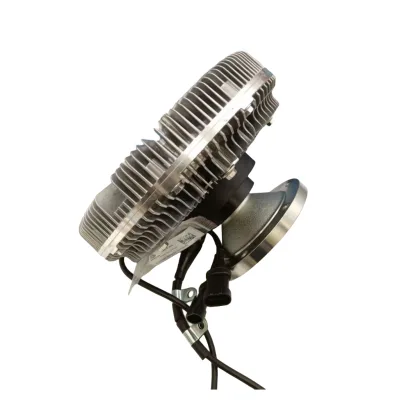
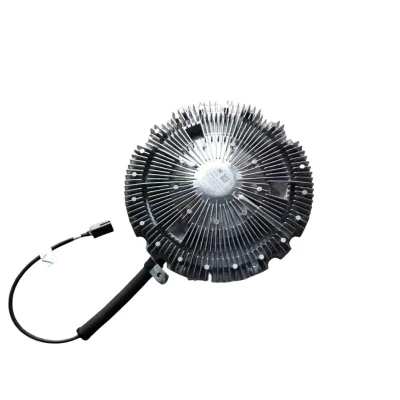


Comprehensive Sourcing Guide
Strategic Sourcing Guide for Electronically Controlled Fan Clutch Assemblies
The global automotive and heavy-duty trucking sectors rely heavily on efficient thermal management systems to maintain engine integrity under varying load conditions. At the heart of these systems lies the fan clutch assembly, a critical component that regulates airflow to the radiator based on real-time engine temperature. For procurement professionals, sourcing an electronically controlled fan clutch assembly requires a nuanced understanding of mechanical design, electronic integration, and supply chain reliability. This guide provides a disciplined framework for evaluating potential suppliers and products, grounded in observed market data and technical specifications relevant to the current supply landscape.
Technical Specifications and Component Architecture
When evaluating an electronically controlled fan clutch assembly, the primary focus must be on the integration of mechanical durability with electronic responsiveness. The core function of these units is to engage and disengage the cooling fan based on thermal demand, thereby optimizing fuel efficiency and reducing noise. In the current market, products are frequently categorized by their specific application, such as cooling systems for trucks like the HANVAN model or heavy-duty vehicles requiring Mercedes-Benz compatible parts.
The physical construction of these assemblies varies significantly. While some units feature a steel body to withstand high-torque environments, others utilize aluminum bodies to reduce overall weight without compromising structural integrity. The deck configuration is another critical specification; double-deck designs are often observed in heavy-duty applications to provide enhanced stability and heat dissipation. The muffler type, specifically rear mufflers, is a distinct feature in certain models designed to minimize operational noise.
Electronic control units within these assemblies rely on precise sensors to monitor engine temperature. The product data indicates that these units are often designed as "silicone fan clutches," utilizing silicone fluid to transfer torque between the input and output shafts. This fluid-based mechanism allows for smooth engagement and disengagement. The OE numbers associated with these parts, such as 202V06600-7060, 06B121347, and 21010-43G25, serve as critical identifiers for compatibility. Procurement teams must verify that the selected part number matches the vehicle's original equipment specifications to ensure proper fitment and function.
Compliance, Certification, and Quality Standards
In the B2B procurement of automotive components, compliance with international standards is non-negotiable. The supply chain for fan clutch assemblies often references ISO and TS (Technical Specification) certifications. These standards ensure that the manufacturing processes meet rigorous quality management requirements. Specifically, the "ISOTSCold Style:Air-cooled" designation suggests that the manufacturing and testing protocols adhere to specific thermal and quality benchmarks.
Buyers must verify that the supplier's production facilities hold valid ISO and TS certifications. This verification is essential because these certifications indicate a commitment to consistent quality control and traceability. The presence of a "High" quality attribute in product listings is a positive indicator, but it must be substantiated by third-party certification documents. Without these documents, claims of high quality remain unverified observations rather than guaranteed standards.
Furthermore, the testing methodology employed by suppliers is a crucial compliance factor. The "Fitting & Running on Fan" test method indicates that components undergo dynamic testing under operational conditions. This ensures that the clutch engages correctly and that the silicone fluid performs as expected under thermal stress. Buyers should request test reports that detail the results of these running tests, including torque curves and engagement temperatures.
Cost Drivers and Pricing Structures
The pricing of electronically controlled fan clutch assemblies is influenced by a complex matrix of factors, including material composition, electronic complexity, and production volume. The observed market price range spans from $2 to $430 USD, reflecting the vast difference between basic mechanical units and advanced electronically controlled assemblies. This wide variance underscores the importance of defining precise requirements before soliciting quotes.
Material costs play a significant role in pricing. Units with steel bodies and double decks generally command higher prices due to the increased material weight and manufacturing complexity compared to aluminum-bodied alternatives. Additionally, the inclusion of electronic control modules adds to the cost. The "Electronically Controlled" designation implies the presence of sensors and actuators that require precise calibration, driving up the unit price.
Minimum Order Quantity (MOQ) is another critical cost driver. The market data indicates an MOQ range of 1 to 50 units. Suppliers offering an MOQ of 1 are ideal for prototyping or emergency replacement scenarios, while those requiring 50 units may offer volume discounts. Buyers must balance their immediate needs against the potential for bulk pricing. It is also important to note that payment terms, such as T/T (Telegraphic Transfer), are standard in this sector and can impact cash flow planning.
Typical Applications and Vehicle Compatibility
The versatility of fan clutch assemblies is evident in their application across various vehicle types. The product data highlights specific compatibility with models like the HANVAN truck, as well as compatibility with Mercedes-Benz and other heavy-duty brands. The OE numbers provided, such as 92VB8A616-BA and 603.200.00.22, serve as the primary keys for identifying the correct unit for a specific vehicle platform.
For procurement professionals, understanding the application context is vital. These components are primarily designed for replacement and repair purposes in cooling systems. The "Durable" attribute observed in the market suggests that these parts are engineered for long service life in demanding environments. However, the specific application—whether for a light-duty truck, a heavy-duty hauler, or a specialized industrial vehicle—dictates the required specifications.
The table below summarizes the key compatibility indicators observed in the current market:
| OE Number | Product Model | Vehicle Application | Material |
|---|---|---|---|
| 202V06600-7060 | 202V06600-7060 | HANVAN Truck | Steel |
| 06B121347 | 06B121347 | Mercedes-Benz | Aluminum |
| 21010-43G25 | 21010-43G25 | General Truck | Steel |
| 92VB8A616-BA | 92VB8A616-BA | Heavy Duty | Steel |
| 603.200.00.22 | 6032000022 | Mercedes-Benz | Steel |
This comparison highlights the necessity of matching the OE number to the specific vehicle model to avoid fitment issues.
Supplier Evaluation and Origin Verification
Evaluating suppliers requires a thorough investigation of their geographical origin and logistical capabilities. The supply chain for these components is heavily concentrated in China, with specific origins noted in Shandong and Zhejiang provinces. These regions are known for their robust manufacturing ecosystems, particularly in the automotive parts sector. However, the presence of multiple origins necessitates careful vetting to ensure consistency in quality and delivery.
Buyers should verify the "Place of Origin" and "Product Origin" details provided by the supplier. While both Shandong and Zhejiang are significant manufacturing hubs, the specific factory location can impact lead times and shipping costs. Additionally, the "Brand Name" associated with the product, such as Yika or Mercedes-Benz, provides insight into the supplier's positioning. Some suppliers may offer OEM-branded parts, while others produce aftermarket alternatives.
The delivery time is a critical factor in supplier evaluation. The market data shows delivery times ranging from 15 days to 40 days. This variance can be attributed to factors such as production capacity, order volume, and shipping logistics. Buyers must align their procurement timelines with these lead times to avoid production delays. Furthermore, the packaging standards, such as "Carton, Wooden Case" or "Neutral Packing," should be assessed to ensure that the products arrive in pristine condition.
Quality Control and Long-Term Procurement Considerations
Ensuring the long-term reliability of fan clutch assemblies requires a robust quality control strategy. The "High" quality attribute and "Durable" performance claims must be validated through rigorous inspection protocols. Buyers should implement a multi-stage quality control process that includes visual inspection, dimensional verification, and functional testing. The "Fitting & Running on Fan" test method mentioned in the product data should be a mandatory requirement for all suppliers.
Long-term procurement considerations also involve the availability of spare parts and the consistency of the supply chain. The "Customization" availability noted in the product attributes suggests that suppliers can tailor products to specific needs, which is beneficial for large-scale procurement. However, customization can also introduce variability, so strict quality control measures must be maintained.
The "Condition" of the product is listed as "New" in the market data, which is the standard expectation for replacement parts. Buyers should ensure that the "New" condition is explicitly stated in the contract to avoid receiving refurbished or reconditioned units. Additionally, the "Purpose" of the product, which is "for Replace/Repair," should be clearly defined to ensure that the purchased units meet the intended application requirements.
In conclusion, sourcing an electronically controlled fan clutch assembly requires a meticulous approach that balances technical specifications, compliance standards, cost factors, and supplier reliability. By adhering to the guidelines outlined in this guide, procurement professionals can navigate the complexities of the market and secure high-quality components that ensure the optimal performance of cooling systems in heavy-duty vehicles. The key lies in verifying every claim against the provided data and maintaining a rigorous standard of due diligence throughout the sourcing process.
FAQs
What materials are used for the fan clutch body?
The body material is typically steel or aluminum depending on the specific model. Steel bodies offer durability for heavy-duty applications, while aluminum options reduce weight. Buyers must verify the material specification against their vehicle requirements to ensure compatibility.
Can I customize the packaging for bulk orders?
Yes, customization is available for packaging needs. Options include carton, wooden case, or neutral packing. This flexibility allows buyers to tailor shipping solutions to their logistical requirements while maintaining product protection during transit.
Which certifications ensure quality for these assemblies?
Products often carry ISO and TS certifications to verify quality standards. These standards indicate adherence to rigorous manufacturing and testing protocols. Buyers should request documentation to confirm that the specific unit meets these international quality benchmarks.
How long is the delivery time for these parts?
Delivery times typically range from 15 to 40 days depending on order volume. The specific lead time varies by supplier location and production capacity. Procurement teams must align their schedules with these timelines to avoid operational delays.
What is the minimum order quantity for purchase?
The minimum order quantity can be as low as one unit. Some suppliers may require up to 50 units for specific deals. This range accommodates both emergency replacements and larger procurement needs without forcing excessive inventory.
Which vehicle models are compatible with these clutches?
These clutches are compatible with models like HANVAN trucks and Mercedes-Benz vehicles. Compatibility is determined by matching the OE number to the vehicle specifications. Buyers must verify the part number to ensure proper fitment and function.
Can the product be used for replacement and repair?
Yes, the product is explicitly designed for replacement and repair purposes. It is supplied in new condition to ensure optimal performance. This makes it suitable for maintaining cooling systems in heavy-duty vehicles requiring immediate component restoration.